FREE TICKETS FOR DIAXPORA® MEMBERS
Listen Deeply
Quiet, intimate monthly headphone-only anti-brain-rot music sessions hosted by Quiet Qulture® x DIAXPORA® Recordings, for sonic immersion, discovery and fun.

Loved by introverts, music producers & deep listeners.
★★★★★
Listen Deeply with Us
Listen Deeply is an intimate monthly headphone-only listening experience by Quiet Qulture® x DIAXPORA® Recordings, created for people who want to hear music properly, with focus, care, and no distractions. Based in West London, we bring together music lovers, producers, critics, journalists, and curious listeners for immersive sessions built around classic albums, deep cuts, rare gems, and thoughtfully chosen sounds from the analogue era, and beyond. Built for deep listeners and music makers alike, Listen Deeply is the start of a West London community around albums, ideas, and sonic craft. This is a space especially suited to introverts and anyone who prefers smaller, calmer gatherings with no social pressure, no loud room, and no need to perform. It is also a thoughtful environment for autistic people and others with sensory sensitivities, including those who experience sound in a more intense way, or simply feel most at ease in quieter spaces. Each gathering is designed for deep attention and easy comfort, whether you are here to discover something new, revisit a formative album, or simply enjoy a good room, good headphones, and good energy. Our sessions are a starting point for a growing listening community, with space to expand into 'body-of-work' showcases, music documentaries, talks, and future sonic experiences curated for people who love to listen with intention.
Curated by Quiet Qulture® × DIAXPORA® Recordings


2
12
Deep Listeners
Albums


Next Free Session
What is playing at the next Listen Deeply, headphone-only listening session.
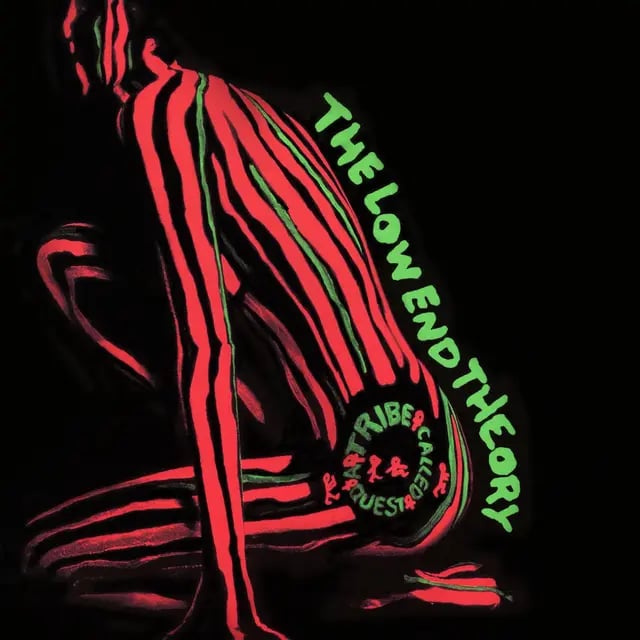
For beatmakers, producers, and anyone obsessed with great records, our next Listen Deeply session will focus on A Tribe Called Quest’s The Low End Theory — a true masterclass in groove, space, sampling, and low-end control. The album was produced primarily by Q-Tip, with Ali Shaheed Muhammad handling DJ scratching and co-production, while Skeff Anselm co-produced “Show Business” and “Everything Is Fair.” From a producer’s perspective, it’s revered as a masterclass in restraint: stripped-back drums, warm bass, jazz-inflected samples, and a spacious mix that lets every element breathe. The record feels deliberate rather than crowded, with the low end doing real structural work instead of just adding weight, which is why it’s often studied for groove, texture, and arrangement as much as for songwriting. It’s also hugely respected as a benchmark for hip-hop production because it proved you could make something progressive, musically rich, and commercially successful without losing edge or authenticity. If you love breaking down arrangements, studying how classic records create atmosphere, or hearing how taste and technique shape identity, this is your room.
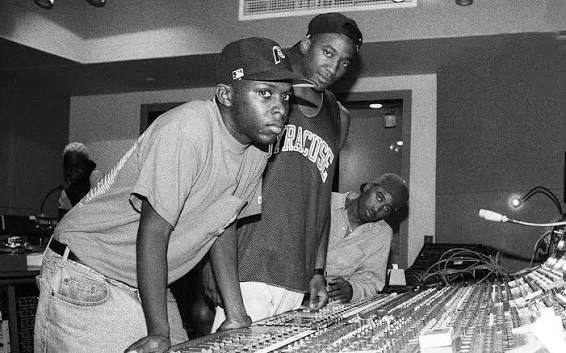

Phife Dawg, Q-Tip and Ali Shaheed Muhammad of A Tribe Called Quest in the recording studio in New York City on September 10, 1991.
Photo Credit: Al Pereira
By the time A Tribe Called Quest were making The Low End Theory, the studio had become a real workstation for precision sampling and arrangement. Q-Tip’s production process had moved into a SP-1200 and AKAI S950 workflow, giving the group the grit, timing, and sample-shaping control behind the album’s famously lean but powerful sound. In the mix, Bob Power helped stitch everything together with SMPTE-synced sequencing and an Atari 1040 running Notator, turning what could have been simple loops into tightly structured records with real movement and depth.
What makes the album so compelling is how disciplined it sounds. Q-Tip was known for layering drums into composite hits — sometimes stacking multiple snares or kicks to create one fuller, more characterful strike — which helped give the record its crisp, weighty pulse without making it sound overbuilt. The result is a low end that feels intentional rather than inflated: bass lines, kick drums, and samples all occupy clear space, so the groove hits hard while still breathing.
The recording setup only adds to the legend. Sessions reportedly ran through a Neve 8068 console associated with historic recordings, including work linked to John Lennon, which fits the album’s sense of craft and studio tradition. And on “Verses from the Abstract,” the group brought in double bassist Ron Carter — a serious jazz heavyweight from Miles Davis’s second great quintet — reinforcing the album’s deep connection between hip-hop, live jazz vocabulary, and sophisticated arrangement.
From a producer’s point of view, The Low End Theory is revered because it proved hip-hop could be minimal, musical, and technically exact at the same time. It’s still studied for how it balances sample choice, drum layering, bass weight, and negative space, and for how it turns restraint into identity.
Music Production Facts
Location
Our first monthly Listen Deeply session will take place in a cozy room at Ealing Central Library, A quiet space perfect for immersive headphone listening.
Where
Ealing Central Library, 103 Ealing Broadway Shopping Centre, The Broadway, London, W5 5JY
When
Date: 28th April 2026
Time: Registration from 17:30. Event starts promptly at 18:00 and ends at 8PM